Stress is a normal part of life. A deadline, a tricky conversation or a busy morning can all trigger it, and short bursts can even help us perform. Problems arise when stress becomes constant. Long-term stress can affect sleep, mood, digestion, concentration and relationships.
The good news is that small daily habits can help your body and mind recover. This guide offers 15 practical, evidence-informed ways to reduce everyday stress naturally, plus advice on when to seek help.
Contents
- Understanding stress
- 15 ways to reduce stress
- Building a routine that lasts
- When to seek support
- FAQs
Understanding Stress
When you feel under pressure, your body releases hormones such as adrenaline and cortisol. Your heart rate rises, your breathing speeds up and your muscles tense. This “fight or flight” response is useful for short-term threats, but it is not meant to run all day.
Common signs of stress include irritability, racing thoughts, muscle tension, headaches, stomach upset, poor sleep, low energy and difficulty concentrating. If these are frequent, it is worth taking action.
15 Ways to Reduce Stress
1. Slow your breathing
Slow, deep breathing can calm your nervous system within minutes. Try breathing in through your nose for four counts and out through your mouth for six. Repeat for two to five minutes. Make the out-breath longer than the in-breath, and let your belly rise rather than your shoulders.
2. Take a walk
Physical activity is one of the most dependable stress relievers. You do not need a workout. A brisk 30-minute walk or even a 10-minute stroll can lift your mood and clear your head. Walking outdoors adds the benefit of daylight.
3. Protect your sleep
Stress disrupts sleep, and poor sleep makes stress harder to handle. Keep a steady schedule, wind down in the evening and keep your bedroom comfortable. Our guide on improving sleep quality naturally offers 10 practical tips.
4. Spend time in nature
Time in green spaces is linked with lower stress and better mood. Even a few minutes in a park, garden or tree-lined street can help. If you cannot get outside, watching trees from a window or keeping houseplants may provide a small benefit.
5. Try progressive muscle relaxation
This technique involves tensing and releasing muscle groups one at a time, starting from your toes and moving up to your face. Hold each tension for around five seconds, then release for 10 to 20. It helps you notice where you hold tension and learn what relaxed muscles feel like.
6. Practise mindfulness
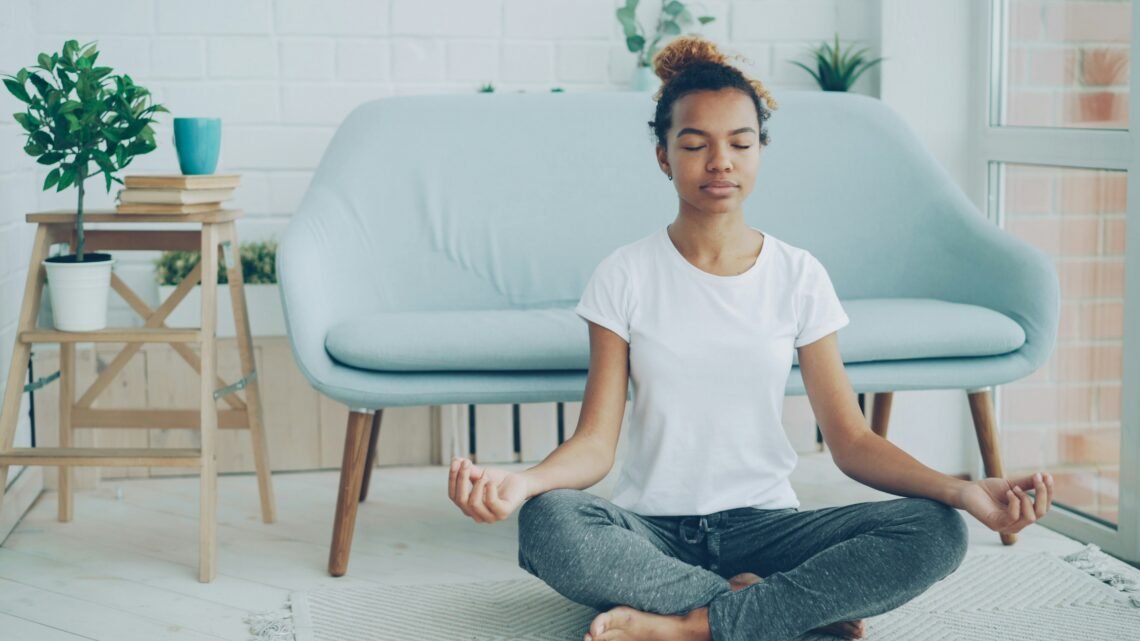
Mindfulness means paying attention to the present moment without judging it. You can try a short guided meditation, or simply focus on the sensations of eating a meal or washing dishes. Many free apps and NHS resources offer guidance. If you have a history of trauma or mental health conditions, ask a professional about the best approach, as some people find certain practices unsettling.
7. Connect with others
Talking with a friend, relative or colleague helps put problems in perspective. Social connection is a well-established protective factor for mental health. If you feel lonely, consider joining a walking group, class or volunteer activity. A short phone call can matter more than you expect.
8. Limit caffeine and alcohol
Caffeine can increase feelings of jitteriness and anxiety, particularly in large amounts or late in the day. Alcohol may feel relaxing in the short term but can worsen anxiety and disrupt sleep. Reducing both can make a noticeable difference for some people.
9. Eat regular, balanced meals
Skipping meals can cause blood sugar dips that leave you feeling irritable and tired. Aim for regular meals with protein, fibre and plenty of vegetables, fruit and wholegrains. Our healthy breakfast ideas are a good start. Researchers are also exploring links between gut health and mood, and our guide on improving gut health naturally covers what is known so far.
10. Write it down
Journaling can help you sort out jumbled thoughts. Try writing for five to 10 minutes about what is on your mind, or list three things that went well today. If worries keep you up, jot down tomorrow’s tasks before bed so your mind can let go.
11. Break big problems into small steps
Stress often grows when a task feels huge. Write down what you need to do, pick the next smallest step and focus only on that. Ticking off small tasks creates momentum and a sense of control.
12. Set boundaries
Saying yes to everything is a fast route to burnout. Practise polite refusals, such as “I can’t take that on right now, but I could help next week.” Set limits on work messages outside working hours where you can, and protect time for rest.
13. Limit news and social media
Constant alerts and doomscrolling keep your nervous system on high alert. Try setting specific times to check news, muting triggering accounts and keeping your phone out of the bedroom. Many people feel calmer within days.
14. Make time for enjoyable activities
Hobbies, music, creative projects, gardening, cooking and play are not luxuries. They give your mind a break from problem-solving. Laughter can also ease tension, so spend time with people or media that make you smile.
15. Ask for help
Reaching out is a strength. Talk to a friend, family member, your doctor, a counsellor or an employee assistance programme if stress feels too heavy. In many workplaces you can also discuss workload with a manager or human resources team.
Building a Routine That Lasts
You do not need to adopt all 15 ideas. Choose two or three that feel realistic and link them to habits you already have. For example, practise slow breathing while the kettle boils, walk after lunch, or write in a journal after dinner.
A predictable daily structure also lowers mental load. Our guide on building a healthy daily routine explains how to create one gently.
When to Seek Support
Everyday stress is normal, but see a doctor or mental health professional if:
- Stress or worry is constant, overwhelming or interfering with work, relationships or sleep
- You feel persistently low, hopeless, numb or panicky
- You are using alcohol, drugs or food to cope
- You have physical symptoms such as chest pain, severe headaches or ongoing digestive problems (these need medical assessment to rule out other causes)
- You have had a major life event, such as bereavement or job loss, and are struggling to cope
If you are thinking about harming yourself or ending your life, or you are in crisis, please get help straight away. In the US, you can call or text 988 (Suicide & Crisis Lifeline). In the UK and Ireland, you can call Samaritans free on 116 123. In an emergency, call your local emergency number (911 in the US, 999 in the UK).
FAQs
What is the fastest way to reduce stress?
Slow breathing with a longer out-breath is one of the quickest tools, often bringing noticeable calm within a few minutes. A short walk or stepping outside also helps.
Can stress cause physical symptoms?
Yes. Stress can contribute to headaches, muscle tension, digestive upset, fatigue and sleep problems. Because these symptoms can have other causes, see a doctor if they are persistent or worrying.
Does exercise really reduce stress?
For many people, yes. Regular physical activity is associated with better mood and lower anxiety. The activity does not need to be intense; enjoyable, consistent movement is the best kind.
Are supplements or herbal remedies helpful for stress?
Evidence for most is limited or mixed, and some can interact with medicines. Speak with a pharmacist or doctor before taking supplements, especially if you are pregnant, breastfeeding or on medication.
How long does it take to feel less stressed?
Some techniques, such as breathing, help in minutes. Habits like better sleep, activity and boundaries can take weeks to show benefits. If you do not feel better after a few weeks, or things are getting worse, seek support.
Conclusion
You cannot remove every source of stress, but you can change how your body and mind respond. Slow breathing, daily movement, good sleep, supportive relationships and realistic boundaries all make a difference, and none of them needs special equipment. Start with one small step today, and remember that asking for help is always an option.
This article is for general information only and is not a substitute for professional medical or mental health advice. If you are concerned about your mental health, contact a qualified healthcare provider.

