Knowing what to eat is rarely the hardest part of healthy eating. The challenge is deciding what to cook after a long day, again and again. A simple weekly plan takes that pressure off.
This 7-day healthy meal plan is designed for beginners. It uses ordinary ingredients, repeats components so you can cook once and eat twice, and follows mainstream guidance such as the NHS Eatwell Guide and MyPlate.
Contents
- How this plan works
- The 7-day meal plan
- Recipes and assembly notes
- Shopping list
- Prep tips
- Easy swaps
- Who should adapt the plan
- FAQs
How This Plan Works
The plan is built on a few principles:
- Balanced plates. Aim to fill about half your plate with vegetables or salad, a quarter with protein, and a quarter with wholegrains or starchy carbohydrates. This matches the approach of both the Eatwell Guide and MyPlate.
- Variety. It includes fish, eggs, dairy, beans and lentils, nuts, fruit and vegetables across the week. The NHS recommends two portions of fish a week, including one oily, so you will find two fish dinners here.
- Fibre and protein at every meal, to support fullness and steady energy.
- No calorie counting. Calorie needs vary widely with age, size, sex and activity, so this plan does not set a target. Adjust portion sizes up or down to match your appetite and needs. If you have a specific goal, see our healthy weight loss tips.
- Leftovers on purpose. Several lunches reuse the previous night’s dinner.
US and UK terms are used together where they differ, such as courgette (zucchini), porridge (oatmeal), and coriander (cilantro).
The 7-Day Meal Plan
| Day | Breakfast | Lunch | Dinner | Snack ideas |
|---|---|---|---|---|
| Monday | Porridge (oatmeal) with sliced banana and walnuts | Hummus and salad wholegrain wrap | Baked salmon, roasted broccoli and new potatoes | Apple and a small handful of almonds |
| Tuesday | Greek yoghurt with berries and seeds | Leftover salmon with mixed leaves, cucumber and wholegrain bread | Chicken and vegetable stir-fry with brown rice | Carrot sticks with hummus |
| Wednesday | Scrambled eggs with spinach on wholegrain toast | Lentil and vegetable soup with a slice of wholegrain bread | Veggie chilli with kidney beans, served with rice and a green salad | Orange or clementines |
| Thursday | Overnight oats with chia seeds and strawberries | Leftover chilli in a baked sweet potato | Tuna and sweetcorn pasta (wholewheat) with tomatoes and rocket | Plain yoghurt with cinnamon |
| Friday | Wholegrain toast with smashed avocado and a poached egg | Tuna and bean salad with lemon and olive oil | Baked cod or other white fish, roasted vegetables and couscous | Pear and a few walnuts |
| Saturday | Veggie omelette with tomatoes and herbs | Chickpea and roasted vegetable bowl with tahini dressing | Homemade turkey or bean burgers in wholegrain buns with salad | Cottage cheese with pineapple |
| Sunday | Wholegrain pancakes with berries and Greek yoghurt | Leftover burgers or beans over salad | Roast chicken (or roast cauliflower and chickpeas) with seasonal vegetables and potatoes | Fresh fruit or a small square of dark chocolate |
Drink water throughout the day. Our guide on how much water you should drink explains how to judge your needs. Tea and coffee count, but go easy on caffeine later in the day if it affects your sleep.
Recipes and Assembly Notes
You do not need complex recipes. Here is how to put the trickier meals together.
Veggie chilli (serves 4, Wednesday). Soften a chopped onion, pepper and garlic clove in a tablespoon of olive oil. Add a teaspoon each of cumin and smoked paprika, a can of chopped tomatoes, a can of drained kidney beans, a can of drained black beans and a cup of frozen sweetcorn. Simmer for 20 to 25 minutes. Eat half on Wednesday and use the rest on Thursday.
Lentil and vegetable soup (serves 4). Cook chopped onion, carrot and celery in a little oil, then add a cup of red lentils, a litre (about 4 cups) of low-salt stock and a can of tomatoes. Simmer for around 20 minutes, then blend partly or leave chunky. Lentils are a rich source of plant iron, so squeeze lemon on top to help absorption. See our guide to iron-rich foods.
Chicken stir-fry (Tuesday). Stir-fry sliced chicken breast in a teaspoon of oil until cooked through. Add mixed vegetables such as peppers, carrots, broccoli and snap peas, then a splash of low-salt soy sauce, garlic and ginger. Serve over brown rice. Make sure poultry is thoroughly cooked.
Bean or turkey burgers (Saturday). Mix mashed beans or minced turkey with breadcrumbs, a beaten egg, chopped onion and spices. Shape into patties and bake or grill until firm and, for turkey, cooked through. Serve with salad and wholegrain buns.
Overnight oats (Thursday). Combine 40 g oats, 125 ml milk or plant drink, 2 tablespoons yoghurt and a teaspoon of chia seeds in a jar. Refrigerate overnight and top with fruit in the morning.
Shopping List
Adjust to your household size and what you already have.
Fruit and vegetables: bananas, apples, pears, oranges or clementines, berries (fresh or frozen), pineapple (canned in juice or fresh), lemons, avocados, spinach, rocket (arugula), mixed salad leaves, cucumber, tomatoes, carrots, celery, onions, garlic, peppers, broccoli, courgette (zucchini), sweet potatoes, new potatoes, seasonal roasting vegetables, sweetcorn (frozen or canned)
Protein: salmon fillets, white fish fillets, canned tuna, chicken breast and a roasting chicken, minced turkey, eggs, tofu if you plan to swap
Dairy and alternatives: plain Greek yoghurt, milk or fortified plant drink, cottage cheese
Pulses, grains and bread: rolled oats, brown rice, wholewheat pasta, couscous, wholegrain bread and wraps, wholegrain buns, red lentils, canned chickpeas, kidney beans and black beans, canned chopped tomatoes
Nuts, seeds and extras: walnuts, almonds, chia seeds, mixed seeds, hummus, tahini, olive oil, low-salt stock, herbs and spices (cumin, paprika, cinnamon), low-salt soy sauce, dark chocolate
Prep Tips
- Shop once, with a list. This prevents impulse buys and food waste.
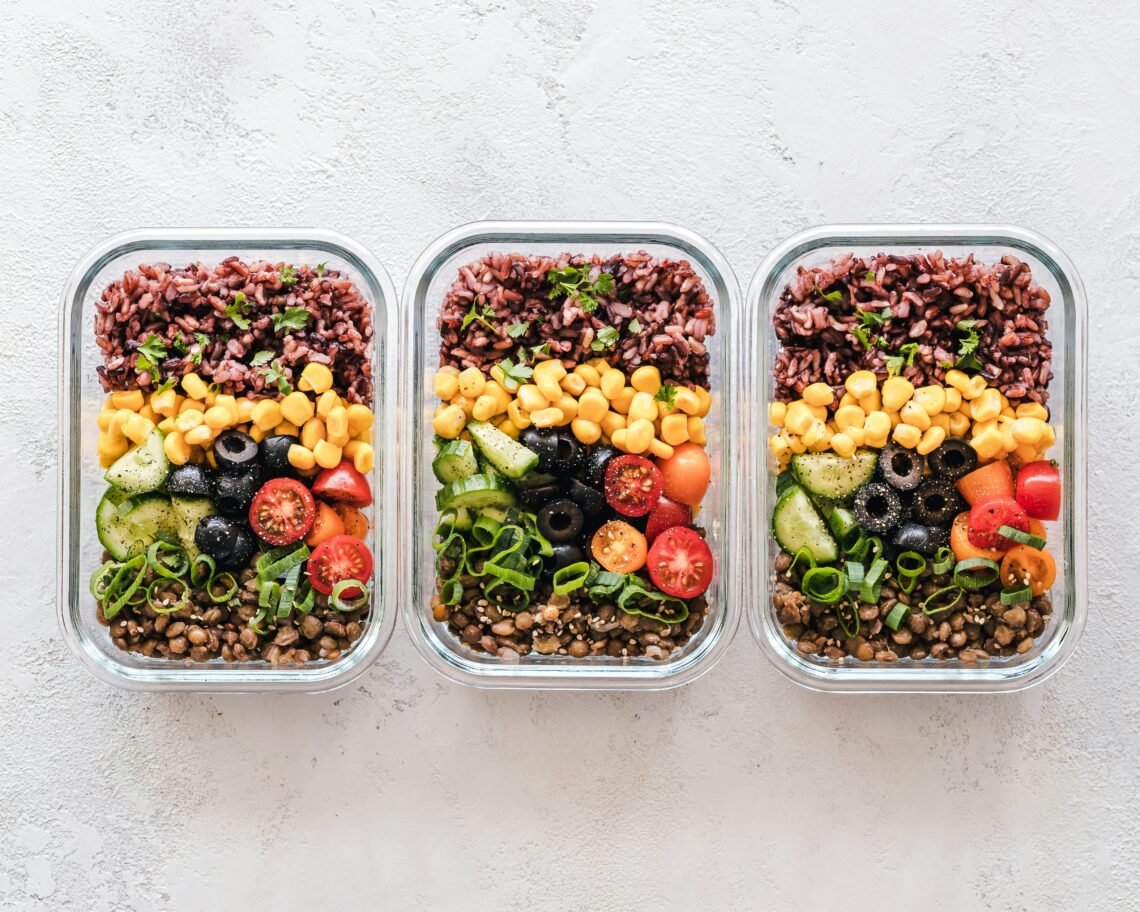
- Do a 60-minute prep on Sunday. Cook a pot of brown rice, wash and chop vegetables, make the lentil soup, and portion overnight oats.
- Cook once, eat twice. The plan repeats salmon, chilli and burgers on purpose.
- Use frozen and canned. Frozen vegetables and berries and canned beans and fish are nutritious and affordable. Choose lower-salt and no-added-sugar options.
- Store food safely. Cool cooked food quickly, refrigerate within about two hours, and eat leftovers within one to two days (or follow food safety guidance in your country). Reheat until steaming hot.
- Label and freeze extras. Soup and chilli freeze well.
Easy Swaps
- Vegetarian: Replace fish and chicken with tofu, tempeh, eggs, beans or lentils. Pair plant iron with vitamin C foods.
- Vegan: Use fortified plant milk and yoghurt, tofu scramble instead of eggs, and bean or lentil dishes for protein. Consider vitamin B12, which vegans typically need from fortified foods or supplements.
- Gluten-free: Choose gluten-free oats, bread, pasta and wraps, or rely more on rice, potatoes, quinoa and corn.
- Dairy-free: Use fortified soy or other plant yoghurts and milk, and check calcium content.
- Nut-free: Use seeds instead of nuts, and check labels on spreads and bars.
- Budget: Rely on oats, eggs, lentils, beans, frozen vegetables and tinned fish.
- Lighter or larger appetite: Adjust portions of starchy carbohydrates, protein and healthy fats. Keep vegetables generous.
If you want more variety, borrow ideas from our Mediterranean diet guide and breakfast ideas. For protein options to rotate in, see our high-protein foods list.
Who Should Adapt the Plan
This plan is a general template for healthy adults, not individual medical advice. Seek tailored guidance if you:
- Have diabetes, kidney disease, heart disease, coeliac disease, IBS or another condition affecting diet
- Take medication that interacts with food, such as warfarin and leafy greens
- Have food allergies or intolerances
- Are pregnant or breastfeeding, where certain foods (such as some fish, soft cheeses, liver and undercooked eggs) are restricted depending on local guidance
- Have a history of an eating disorder, in which case structured meal plans are best used only with professional support
- Are cooking for infants, young children or older adults with specific nutritional needs
A registered dietitian can create a plan around your health, culture, budget and preferences.
FAQs
Is a 7-day meal plan enough to change my eating habits?
A single week is a useful start. Use it to learn what works for you, then repeat, swap meals and gradually build your own rotation.
Do I have to follow the plan exactly?
No. Think of it as a template. Swap days, repeat favourites and substitute ingredients freely.
How many calories is this plan?
It is not calorie-counted. Needs differ across individuals, so adjust portions to your appetite, size and activity level. A doctor or dietitian can advise on specific targets.
Can I lose weight with this plan?
It emphasises whole foods, fibre and protein, which many people find filling, but weight change depends on your overall energy balance. See our healthy weight loss tips for realistic strategies.
What if I do not like cooking?
Choose the easiest meals, such as overnight oats, wraps, canned fish salads and soup. Frozen vegetables and pre-cooked grains can cut cooking time.
Conclusion
A healthy meal plan does not have to be elaborate or perfect. By combining vegetables, protein, wholegrains and a little healthy fat across the week, and by cooking once to eat twice, you can make healthy choices easier. Try this plan for a week, notice what you enjoy, and then adapt it to suit your taste, budget and lifestyle.
This article is for general information only and is not a substitute for personalised medical or dietary advice. Speak to your doctor or registered dietitian if you have a medical condition, allergy or special nutritional needs.