Your digestive system does far more than process food. It is home to trillions of microorganisms, collectively called the gut microbiome, that help break down food, produce certain vitamins and interact with your immune system. Researchers are also exploring links between the gut and mood, though that science is still developing.
The good news is that everyday choices influence your gut. This guide explains what current evidence supports, which foods and habits can help, and when to seek medical advice.
Contents
- What is gut health?
- Foods that support your gut
- Daily habits that help
- What may harm gut health
- Probiotic supplements: do you need them?
- Warning signs to take seriously
- FAQs
What Is Gut Health?
“Gut health” is a broad term. It generally refers to a digestive system that works comfortably, with regular bowel movements, minimal pain or bloating, and a diverse community of gut microbes.
Science in this area is moving quickly, and headlines can run ahead of the evidence. Many studies are observational or small. What is well established is that a varied, fibre-rich diet is good for digestion and general health. Be wary of products or plans that claim to “reset” or “detox” your gut.
Foods That Support Your Gut
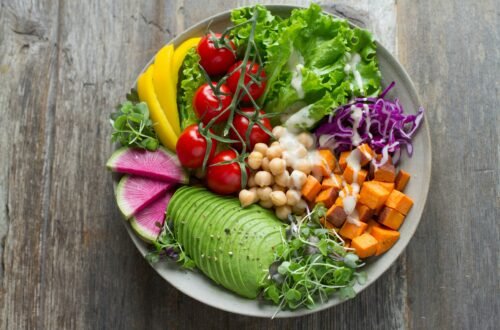
Fibre-rich plant foods
Fibre is food for your gut bacteria. When microbes ferment certain fibres, they produce short-chain fatty acids that nourish cells lining the colon. Adults in the UK are advised to eat about 30 g of fibre a day, and the US Daily Value is 28 g, but many people eat much less.
Good sources include:
- Wholegrains: oats, wholemeal bread, brown rice, barley, quinoa
- Beans, peas and lentils
- Vegetables: broccoli, carrots, leafy greens, onions, garlic, leeks
- Fruit: apples, pears, berries, bananas
- Nuts and seeds: almonds, chia, flaxseed
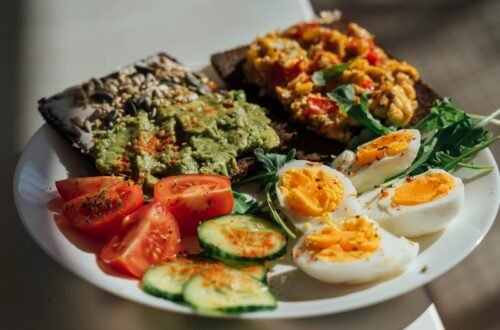
A variety of plants
Diversity matters. A well-known analysis from the American Gut Project found that people who ate more than 30 different plant foods a week tended to have more diverse gut microbiomes than those who ate 10 or fewer. This is observational research, so it cannot prove cause and effect, but it supports the common-sense advice to eat widely. Herbs, spices, nuts, seeds, beans and wholegrains all count, so 30 is more achievable than it sounds.
Fermented foods
Foods fermented with live microbes include yoghurt with live cultures, kefir, sauerkraut, kimchi, miso, tempeh and kombucha. A small Stanford study found that a diet high in fermented foods increased microbiome diversity and reduced markers of inflammation over several weeks, though more research is needed. Check labels for “live” or “active” cultures, and note that pasteurised or shelf-stable versions may no longer contain live microbes.
Prebiotic foods
Prebiotics are types of fibre that feed beneficial bacteria. Examples include garlic, onions, leeks, asparagus, bananas, oats and legumes. Eating them as part of a varied diet is usually enough.
Healthy fats and polyphenol-rich foods
Olive oil, nuts, berries, green tea, coffee in moderation and dark chocolate contain polyphenols, plant compounds that may interact with gut bacteria. The Mediterranean diet naturally combines many of these gut-friendly foods.
How to Increase Fibre Without Discomfort
Raising fibre too quickly can cause gas, bloating and cramps. To avoid this:
- Increase gradually over a few weeks.
- Drink enough fluids, since fibre absorbs water. Our guide on how much water you should drink can help.
- Spread fibre through the day rather than loading one meal.
- Rinse canned beans and soak dried ones well, which may reduce gas.
- Choose a mix of soluble fibre (oats, beans, fruit) and insoluble fibre (wholegrains, vegetable skins).
Easy swaps include wholegrain bread for white, adding beans to soups, leaving the skin on potatoes and fruit, and snacking on fruit and nuts. Our 7-day healthy meal plan gives balanced, high-fibre examples.
Daily Habits That Help
Move regularly
Physical activity helps food move through your digestive system and is associated with healthier gut microbes. A daily walk after a meal can ease bloating for some people.
Manage stress
The gut and brain communicate through nerves, hormones and the immune system. Stress can change digestion, causing cramps, diarrhoea or constipation in some people. Techniques such as breathing exercises, walking and talking to someone can help. See our guide to reducing everyday stress naturally.
Prioritise sleep
Poor or irregular sleep has been linked with changes in gut bacteria and with digestive discomfort. Aim for a regular schedule and a calm bedtime routine, as explained in how to improve sleep quality naturally.
Eat mindfully
Eating slowly and chewing food thoroughly helps digestion. Avoid eating in a rush. Regular meal times can also support a steady rhythm.
Stay hydrated
Water helps keep stools soft and easier to pass, especially when you eat plenty of fibre.
Do not ignore the urge to go
Regularly delaying bowel movements may contribute to constipation. A relaxed routine, such as a toilet visit after breakfast, can help some people.
What May Harm Gut Health
- Diets low in fibre and high in ultra-processed foods, which tend to be high in refined carbohydrates, additives, salt and sugar.
- Excess alcohol, which can irritate the gut lining and disturb the microbiome.
- Smoking, which is linked with several digestive conditions.
- Unnecessary antibiotics. Antibiotics save lives, but they also affect gut bacteria. Take them only when prescribed, and complete the course as directed. Never ask for antibiotics for viral illnesses.
- Very restrictive diets without medical reasons, which can reduce variety.
Probiotic Supplements: Do You Need Them?
Probiotics are live microorganisms sold as capsules, powders and drinks. Evidence suggests that certain strains may help with specific conditions, such as reducing the risk of antibiotic-associated diarrhoea in some people. For many other uses, evidence is limited or inconsistent, and benefits depend on the strain and dose.
The NIH National Center for Complementary and Integrative Health notes that probiotics are generally safe for healthy people, but side effects such as gas can occur, and they can pose risks for people with weakened immune systems or serious illness. Products vary in quality and are regulated differently in different countries.
If you are interested in trying a probiotic, ask your pharmacist or doctor which one, if any, is suitable for your situation. For most people, a varied diet with fermented foods and plenty of fibre is a sensible first step.
Warning Signs to Take Seriously
Improving gut health through diet is not a substitute for medical care. See a doctor promptly if you have:
- Blood in your stool, or black, tarry stools
- Unexplained weight loss
- A persistent change in bowel habits lasting more than a few weeks, especially after age 40 or 50
- Severe or persistent abdominal pain
- Difficulty swallowing
- Persistent vomiting
- Ongoing diarrhoea or constipation
- A family history of bowel cancer, inflammatory bowel disease or coeliac disease alongside symptoms
- Symptoms that wake you at night
If you have a diagnosed condition such as irritable bowel syndrome (IBS), inflammatory bowel disease or coeliac disease, follow your clinician’s advice. Some people with IBS are advised to try a low-FODMAP approach under dietitian guidance, which differs from the general advice here. Do not cut out food groups such as gluten without testing first if coeliac disease is suspected.
FAQs
How long does it take to improve gut health?
Gut microbes can start to change within days of a major dietary change, but lasting shifts typically take longer and depend on keeping the habits going. Many people notice improvements in regularity or comfort within a few weeks.
What is the best food for gut health?
There is no single best food. A varied diet with plenty of vegetables, fruit, wholegrains, beans, nuts, seeds and fermented foods supports a diverse microbiome.
Does coffee affect the gut?
Coffee can stimulate bowel movements in some people and cause reflux or discomfort in others. Moderation is sensible, and individual response varies.
Are gut cleanses or detox teas helpful?
There is no good evidence that they improve gut health, and some contain laxatives that can cause dehydration or dependency. Your liver and kidneys already handle detoxification.
Can gut health affect mood?
Researchers are studying the gut-brain connection, and some links have been observed. Diet is one of many factors, and eating well is not a replacement for mental health care.
Conclusion
Looking after your gut does not require expensive products. A diet rich in varied plant foods, some fermented foods, regular movement, good sleep and stress management can all support digestion and overall wellbeing. Add fibre gradually, vary your plants through the week, and speak to a doctor if you notice warning signs or ongoing symptoms.
This article is for general information only and is not a substitute for personalised medical advice. If you have digestive symptoms, a medical condition or take regular medication, talk to your doctor or a registered dietitian before making major changes.