
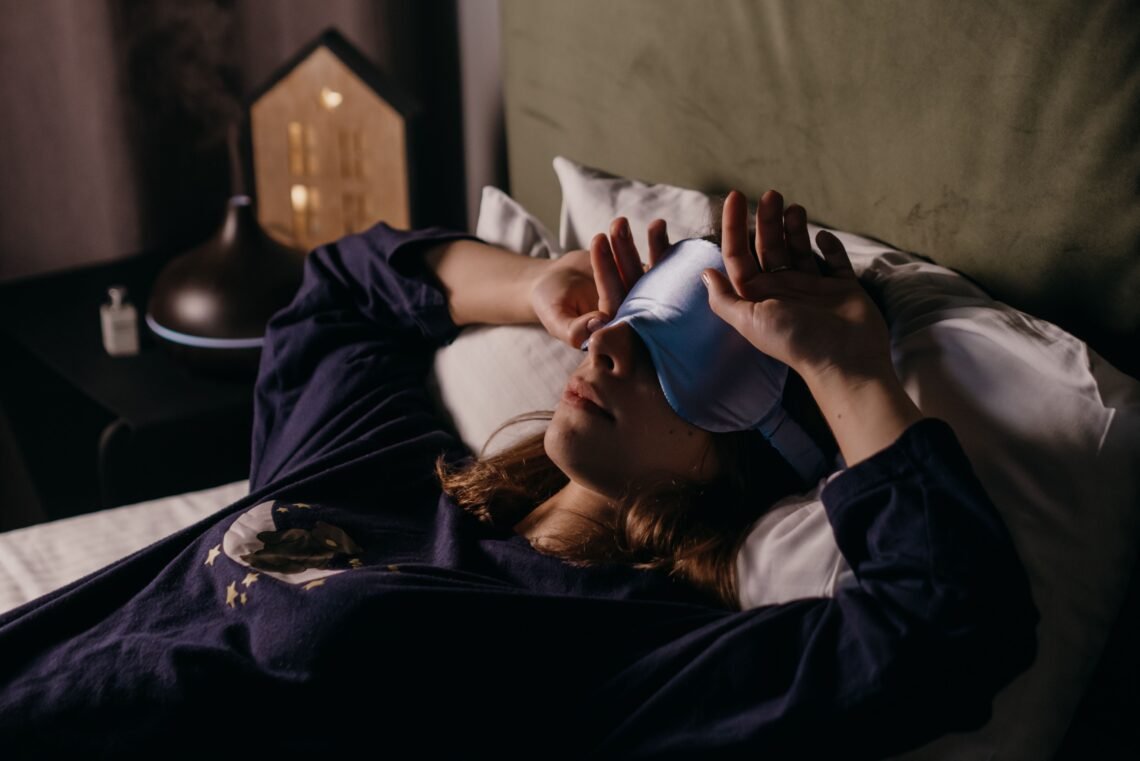
A poor night’s sleep can leave you foggy, irritable and craving sugar. A run of them can make everything feel harder. The good news is that many sleep problems respond well to changes in daily habits, often called sleep hygiene.
This guide covers 10 simple, practical ways to improve sleep quality naturally, along with signs that it is time to talk to a professional.
Contents
- How much sleep do you need?
- 10 tips to improve sleep naturally
- When to see a doctor
- FAQs
How Much Sleep Do You Need?
The CDC recommends that adults get at least seven hours of sleep a night. NHS information describes the amount as varying from person to person, and many adults feel best with roughly seven to nine hours. Quality matters as well as quantity. Waking often, feeling unrefreshed or struggling to stay awake in the day can suggest your sleep needs attention, even if you spend enough hours in bed.
10 Tips to Improve Sleep Quality Naturally
1. Keep a regular sleep schedule
Going to bed and getting up at roughly the same time every day helps set your body clock. This includes weekends, where possible. Big swings between weekday and weekend schedules can leave you feeling jet-lagged on Monday. If you need to catch up, try an extra 30 to 60 minutes rather than a long lie-in.
2. Get daylight early in the day
Natural light, especially in the morning, helps anchor your circadian rhythm, the internal clock that tells you when to feel alert and when to feel sleepy. Aim to spend some time outdoors soon after waking. A short walk counts. If you work in a dim space, sit near a window when you can.
3. Move your body during the day
Regular physical activity is linked to better sleep. A daily 30-minute walk is a good start. Some people find that vigorous exercise very close to bedtime makes it harder to drift off, so experiment with timing and see what works for you.
4. Watch your caffeine
Caffeine can stay in your system for many hours. Coffee, tea, cola, energy drinks and even some chocolate contain it. If you are sensitive or struggle to sleep, try having your last caffeinated drink by early afternoon. The CDC notes that up to 400 mg of caffeine a day (roughly four small cups of coffee, though strength varies) can fit into a healthy diet for most adults, but that does not mean it suits everyone’s sleep.
5. Be careful with alcohol and heavy meals
Alcohol may make you feel drowsy, but it tends to fragment sleep later in the night, and it can worsen snoring. A large, rich or spicy meal close to bedtime can cause discomfort or reflux. Try finishing dinner a few hours before bed and having a light snack if you are genuinely hungry.
6. Create a wind-down routine
Your brain needs a signal that the day is ending. Spend 30 to 60 minutes doing something calming:
- Take a warm bath or shower
- Read a book or listen to quiet music
- Do gentle stretching or breathing exercises
- Write tomorrow’s to-do list so it is out of your head
Dim the lights in your home as the evening progresses. Repeating the same routine each night builds a strong association with sleep.
7. Make your bedroom sleep-friendly
The NHS describes the ideal sleep environment as quiet, dark and cool. Practical steps include:
- Blackout curtains or an eye mask
- Earplugs or a white-noise machine if you are disturbed by sound
- A comfortable mattress and pillows
- A room temperature that feels slightly cool. Many sleep experts suggest roughly 16 to 19°C (about 60 to 67°F), though comfort varies.
Keep the bedroom for sleep and intimacy. Working or watching TV in bed can weaken the link between bed and sleep.
8. Manage screens and light at night
Bright screens in the hour before bed can delay sleepiness for some people, partly because of the light and partly because content keeps your mind active. Use night mode, lower the brightness, or put devices away and charge them outside the bedroom. Scrolling through social media or work email is especially likely to keep your mind racing.
9. Do not battle wakefulness
Lying awake watching the clock tends to increase frustration. NHS guidance suggests that if you are still awake after around 20 minutes, get up and do something quiet and relaxing in dim light, such as reading, until you feel sleepy. Then return to bed. This helps your brain associate bed with sleeping rather than worrying.
10. Tackle worry and stress
Many people lie awake because their mind will not switch off. Try writing down your worries and one next step for each earlier in the evening, or practise slow breathing: inhale for four counts, exhale for six. Stress and sleep influence each other, so our guide on reducing everyday stress naturally may help.
A Note on Naps
A short nap of 20 to 30 minutes in the early afternoon can restore alertness without much effect on night-time sleep for most people. Long naps late in the day can make it harder to fall asleep. If you have insomnia, try cutting out naps for a couple of weeks and see whether things improve.
What About Supplements?
Many people ask about melatonin, magnesium and herbal products such as valerian. Evidence is mixed, and quality and dosing differ between products. In the US, melatonin is sold as a dietary supplement. In the UK, it is available only on prescription. Supplements can interact with medicines, and they are not recommended without advice if you are pregnant, breastfeeding, or taking other medication. Speak to a pharmacist or doctor first.
When to See a Doctor
Lifestyle changes help many people, but they are not a cure-all. Talk to a doctor or pharmacist if:
- You have had trouble sleeping at least three nights a week for three months or more
- You snore loudly, gasp or stop breathing during sleep (these can be signs of sleep apnoea)
- You have an urge to move your legs at night that disturbs sleep
- You feel excessively sleepy during the day or have fallen asleep while driving
- Low mood, anxiety or pain is keeping you awake
- You rely on alcohol or sleeping pills to sleep
Cognitive behavioural therapy for insomnia (CBT-I) is widely recommended as a first-line treatment for chronic insomnia, and it is available in some places as a guided online programme.
FAQs
Why do I wake up at 3am every night?
Short awakenings are normal, since we naturally surface during sleep cycles. Stress, alcohol, noise, temperature, an overactive bladder or underlying conditions can make you notice them more. If it happens frequently and you struggle to fall back asleep, track patterns in a sleep diary and consider speaking with a healthcare professional.
Does a bedtime snack help you sleep?
It depends on the person. A light snack such as a banana or a small bowl of cereal may help if hunger is keeping you awake. Large or spicy meals can do the opposite.
Is it bad to use my phone in bed?
Occasional use is not harmful, but regular use can delay bedtime and keep your mind alert. Setting a screen cut-off and using night mode are simple compromises.
How long does it take to improve sleep?
Many people notice changes within a couple of weeks of consistent habits, though some take longer. Be patient and change one or two things at a time.
Can exercise really improve sleep?
Regular exercise is associated with better sleep quality for many people. It is not a guarantee, but it is a worthwhile habit for general health.
Conclusion
Better sleep rarely comes from one big fix. It tends to grow out of small, consistent changes: steady wake times, morning light, a calmer evening, a comfortable bedroom and fewer late-day stimulants. Choose two or three tips from this list, give them a couple of weeks, and keep notes on how you feel. If problems persist, support is available.
This article is for general information only and is not a substitute for medical advice. If you have ongoing sleep problems, talk to a qualified healthcare professional.

