
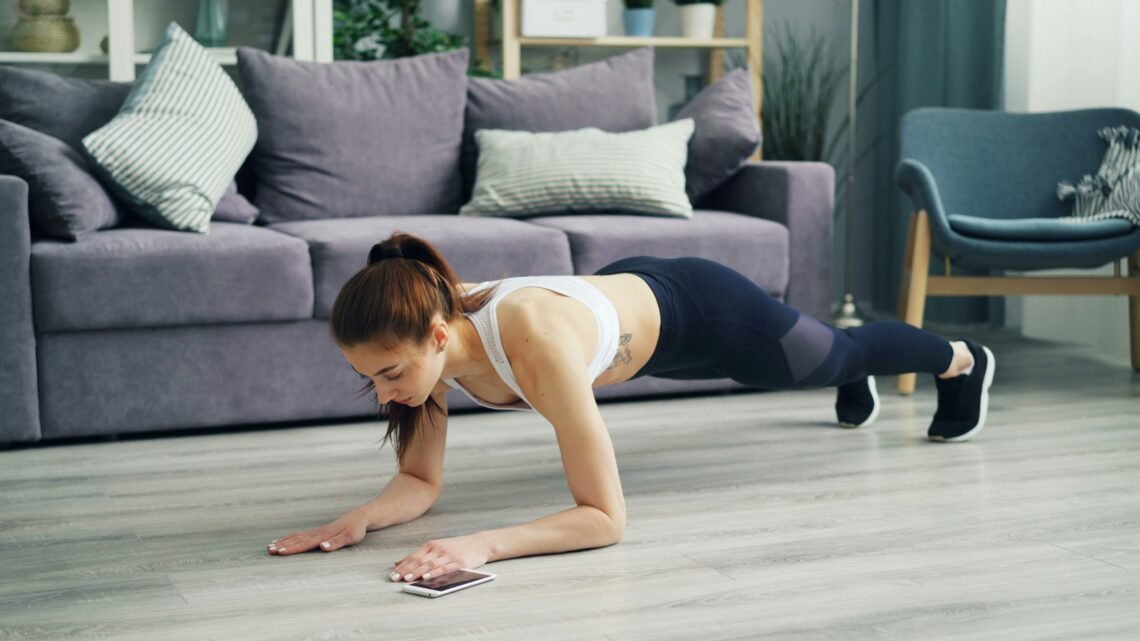
You do not need a gym, equipment or an hour to spare to benefit from morning exercise. A short routine of around 10 to 15 minutes can wake up your body, raise your energy and make the rest of your day feel more manageable.
This guide offers a simple, beginner-friendly routine you can do at home, plus tips for staying consistent and staying safe.
Contents
- Why exercise in the morning?
- Before you start
- A 12-minute beginner routine
- How to progress
- Making it a habit
- Safety and who should check first
- FAQs
Why Exercise in the Morning?
The best time to exercise is the time you will actually do it. For some people, mornings work well because there are fewer interruptions and it is done before the day gets busy.
Potential benefits of regular activity include better mood, more energy, improved heart health and better sleep. The CDC and NHS recommend that adults aim for at least 150 minutes of moderate-intensity activity a week plus muscle-strengthening activities on two days a week. A short routine like the one below counts toward the muscle-strengthening target, and walking or other cardio can fill out the rest.
If mornings are not for you, this routine works just as well later in the day. Exercising very close to bedtime can disturb sleep for some people, so see our sleep guide if that applies to you.
Before You Start
- Give yourself a few minutes to wake up. Muscles and joints can feel stiff first thing, so start gently.
- Drink some water. A glass after waking is a good habit. Our guide on how much water you should drink has practical tips.
- Eat if you need to. Some people are happy exercising lightly before breakfast, while others feel dizzy or weak. If you are in that second group, have a small snack such as a banana beforehand.
- Wear comfortable clothing and supportive shoes. A mat or carpeted area helps with floor exercises.
- Clear some space. You need roughly the room to lie down with your arms outstretched.
A 12-Minute Beginner Routine
Move at a controlled, comfortable pace. You should feel your muscles working, but not pain. Breathe steadily and avoid holding your breath.
Part 1: Warm-up (about 3 minutes)
March on the spot (1 minute). Lift your knees to a comfortable height and swing your arms. This raises your heart rate gently.
Arm circles (30 seconds). Stand tall and make small circles with your arms, then increase to larger ones. Reverse the direction halfway.
Hip circles (30 seconds). Place your hands on your hips and rotate in a slow circle, then change direction.
Cat-cow stretch (1 minute). On hands and knees, arch your back upwards as you breathe out, then lower your belly and lift your chest as you breathe in. This mobilises the spine.
Part 2: Strength (about 6 minutes)
Do each exercise for 8 to 12 repetitions. Rest for 30 seconds between exercises. Beginners can complete one round, and those with more energy can do two.
1. Sit-to-stand squats. Stand in front of a sturdy chair with feet shoulder-width apart. Lower your hips back and down until you lightly touch the seat, then stand up. Keep your chest lifted and knees in line with your toes. This strengthens your thighs and glutes and mimics an everyday movement.
2. Wall push-ups. Stand an arm’s length from a wall, place your hands on it at shoulder height, then bend your elbows to bring your chest towards the wall and push back. Move your feet further back to make it harder. Progress later to push-ups on a counter or on your knees.
3. Glute bridges. Lie on your back with knees bent and feet flat. Squeeze your glutes and lift your hips until your body forms a straight line from shoulders to knees. Pause briefly, then lower slowly. This targets the back of the legs and supports lower back health.
4. Bird-dog. From hands and knees, extend your right arm and left leg, holding for two seconds, then switch sides. Keep your hips level and your back neutral. It builds core stability.
5. Standing calf raises. Hold on to a counter, rise onto your toes, then lower slowly. This strengthens calves and helps with balance.
6. Knee or incline plank (15 to 30 seconds). Place your forearms on the floor or a sturdy surface, keep your body in a straight line from head to knees (or heels), and hold. Stop if your lower back sags or hurts.
Part 3: Cool-down and stretch (about 3 minutes)
Hold each stretch for 20 to 30 seconds. Stretch only to the point of mild tension, never pain.
Hamstring stretch. Sit on the floor or the edge of a chair, extend one leg, and hinge forward from your hips.
Quad stretch. Stand holding a wall, bend one knee behind you and gently draw your heel towards your glutes.
Child’s pose. Kneel, sit back towards your heels and reach your arms forward. Breathe slowly.
Chest opener. Clasp your hands behind your back, lift them slightly and open the chest.
Quick Reference Table
| Section | Exercise | Reps or time |
|---|---|---|
| Warm-up | March on the spot | 1 minute |
| Warm-up | Arm and hip circles | 1 minute |
| Warm-up | Cat-cow | 1 minute |
| Strength | Sit-to-stand squats | 8 to 12 |
| Strength | Wall push-ups | 8 to 12 |
| Strength | Glute bridges | 8 to 12 |
| Strength | Bird-dog | 6 to 8 per side |
| Strength | Calf raises | 10 to 15 |
| Strength | Knee plank | 15 to 30 seconds |
| Cool-down | Hamstring, quad, child’s pose, chest | 20 to 30 seconds each |
How to Progress
Once the routine feels easy for a couple of weeks, you can make it a little more challenging:
- Do two rounds of the strength section rather than one.
- Add a few repetitions or slow each movement down.
- Move to harder variations such as full squats, incline push-ups or full planks.
- Add light dumbbells, resistance bands or a backpack with books.
- Follow it with a brisk walk to bring in more cardio.
Increase gradually and listen to your body. Soreness a day or two after exercise is normal at first, but sharp pain is a warning sign.
Making It a Habit
Consistency matters more than intensity. A few strategies help:
- Prepare the night before. Put your workout clothes and mat where you will see them.
- Start small. Even five minutes counts. Showing up builds the habit.
- Anchor it to something you already do. For example, exercise straight after brushing your teeth.
- Track your progress. A simple calendar tick helps you stay motivated.
- Be flexible. Missing a day is not failure. Return to it the next morning.
- Find company. Exercising with a friend or following an online class can help accountability.
Our guide to building a healthy daily routine explains how to link habits together without feeling overwhelmed. If your goal is weight management, see our healthy weight loss tips.
Safety and Who Should Check First
Exercise is safe for most people, but speak to a doctor before starting if you:
- Have a heart condition, high blood pressure, diabetes or lung disease
- Have osteoporosis, joint problems or back, neck or knee pain
- Are pregnant or have recently given birth
- Have been inactive for a long time and have other health concerns
- Take medicines that affect your heart rate or balance
Stop and seek medical help if you experience chest pain, severe breathlessness, dizziness or faintness. Avoid exercising when you are unwell with a fever.
FAQs
Is it better to exercise before or after breakfast?
Either is fine. Some people prefer light exercise on an empty stomach, while others need a small snack. Choose what feels comfortable.
How long should a beginner exercise in the morning?
Ten to 15 minutes is a good start. You can increase gradually as you feel stronger.
Will morning exercise help me lose weight?
Exercise supports weight management, but your overall diet, sleep and activity levels matter too. Morning exercise is not uniquely better than exercise at another time.
How often should I do this routine?
Start with two or three mornings a week for strength work, and add gentle movement on other days. Guidelines recommend muscle-strengthening on at least two days a week.
What if I feel stiff in the morning?
Spend longer on the warm-up, move slowly and consider a warm shower beforehand. If stiffness is persistent or painful, talk to your doctor.
Conclusion
A simple 12-minute morning routine can build strength, boost energy and help you meet exercise guidelines without a gym. Start gently, focus on good form, and build gradually. If mornings do not suit you, do it later. The best routine is the one you can repeat.
This article is for general information only and is not a substitute for personalised medical advice. Consult a healthcare professional before starting a new exercise programme, particularly if you have a medical condition.