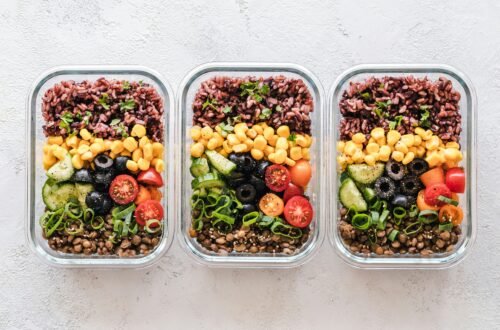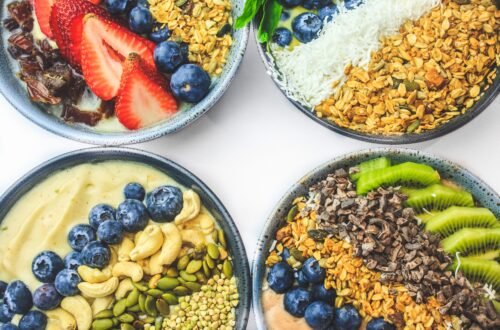
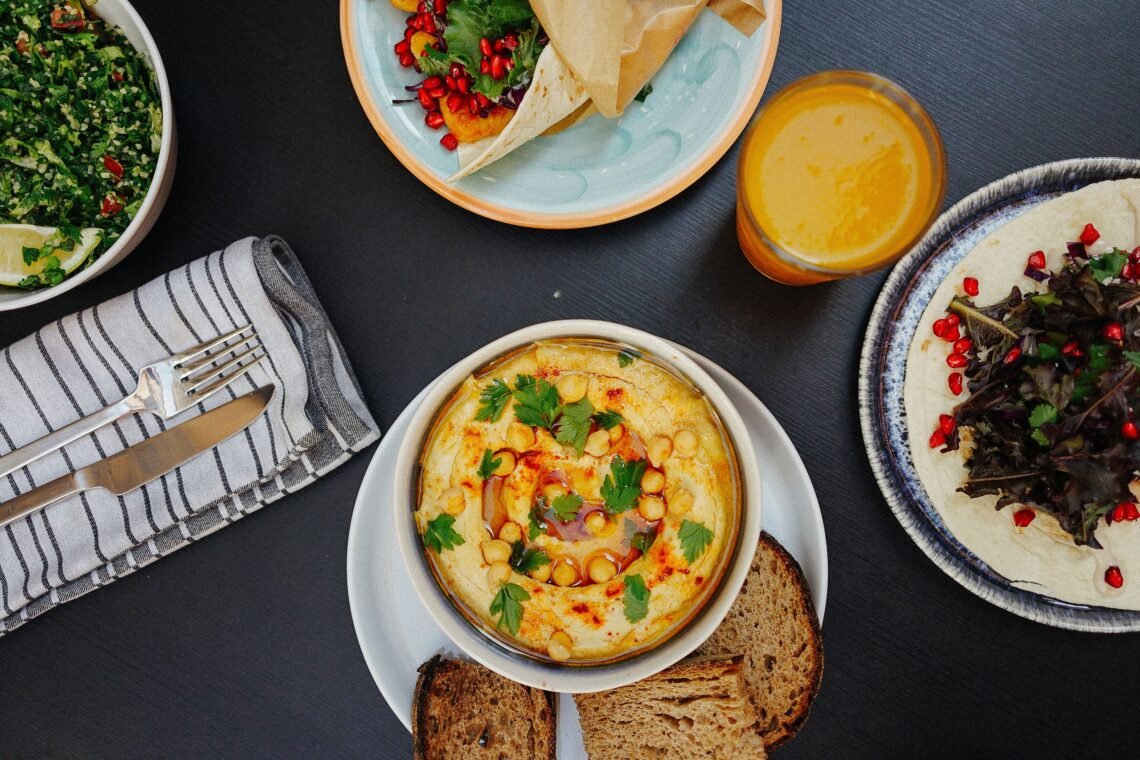
The Mediterranean diet is often named among the best-studied eating patterns for long-term health. It is not a strict plan with rules and banned foods. It is a way of eating inspired by traditional food habits in countries around the Mediterranean Sea, such as Greece, Italy and Spain, built around vegetables, fruit, wholegrains, beans, nuts, fish and olive oil.
This beginner’s guide explains what the Mediterranean diet involves, what the research does and does not show, and how to start without overhauling your kitchen.
Contents
- What is the Mediterranean diet?
- What to eat
- What to limit
- Potential benefits
- How to start in six steps
- A sample day of meals
- Who should take extra care
- FAQs
What Is the Mediterranean Diet?
There is no single “Mediterranean diet”, because eating habits differ across countries and regions. Researchers use the term to describe a common pattern:
- Mostly plant foods: vegetables, fruit, wholegrains, beans, lentils, nuts and seeds
- Olive oil as the main added fat
- Fish and seafood regularly
- Moderate amounts of poultry, eggs, cheese and yoghurt
- Red meat and sweets only occasionally
- Meals often shared and eaten slowly, with plenty of physical activity in daily life
That last point matters. The traditional lifestyle includes social meals and regular movement, not just particular foods.
What to Eat
Use this table as a flexible guide rather than a rulebook.
| Food group | How often | Examples |
|---|---|---|
| Vegetables | Every meal | Tomatoes, peppers, leafy greens, courgette (zucchini), aubergine (eggplant), onions |
| Fruit | Daily | Oranges, figs, grapes, apples, berries |
| Wholegrains | Daily | Wholewheat pasta, brown rice, oats, bulgur, wholegrain bread |
| Beans and pulses | Several times a week | Chickpeas, lentils, white beans, fava beans |
| Nuts and seeds | Daily, small handful | Almonds, walnuts, pistachios, sesame seeds |
| Olive oil | Daily, main cooking fat | Extra virgin olive oil |
| Fish and seafood | At least twice a week | Sardines, salmon, mackerel, prawns |
| Poultry, eggs, dairy | Moderate, weekly | Chicken, eggs, yoghurt, feta |
| Herbs and spices | Often | Oregano, basil, garlic, rosemary, parsley |
| Red meat and sweets | Occasionally | Beef, lamb, pastries, desserts |
Our guide to high-protein foods includes many Mediterranean staples such as lentils, chickpeas, fish and Greek yoghurt.
What to Limit
The pattern is less about forbidden foods and more about what you eat less often:
- Processed meats such as sausages and bacon
- Refined grains and white bread in large amounts
- Sugary drinks, sweets and packaged snacks
- Heavily processed or fried foods
- Butter and other saturated fat-rich foods as a main fat
This lines up with mainstream guidance. Both the NHS Eatwell Guide and the Dietary Guidelines for Americans encourage plenty of vegetables, fruit, wholegrains and pulses, and recommend limiting foods high in saturated fat, salt and added sugar.
Potential Benefits
Heart health
The strongest evidence comes from the PREDIMED trial in Spain, which followed people at high cardiovascular risk. Those who followed a Mediterranean-style diet supplemented with extra virgin olive oil or mixed nuts had fewer major cardiovascular events than those advised to follow a low-fat diet. The paper was republished in 2018 after some methodological issues were corrected, and the main conclusion held. The American Heart Association also recommends Mediterranean-style eating as a heart-healthy pattern.
Blood sugar and weight
Observational studies and some trials associate Mediterranean-style eating with a lower risk of type 2 diabetes. It is not a weight-loss diet by design, but because it is high in fibre and low in ultra-processed food, many people find it filling and sustainable. Portion sizes and overall energy intake still matter. See our healthy weight loss tips.
Gut health
High-fibre foods such as beans, vegetables, fruit and wholegrains feed beneficial gut bacteria. Our guide on improving gut health naturally explores this further.
Brain and mood
Some studies link Mediterranean-style diets with a lower risk of cognitive decline and depressive symptoms, though research is still developing and results are not uniform.
Important context
Much of the evidence is observational, so it cannot prove that the diet alone causes better health. People who eat this way often live differently in other respects too. Still, the pattern is nutritionally sound and consistent with general healthy-eating advice.
How to Start in Six Steps
You do not need to change everything at once.
1. Swap your cooking fat. Use extra virgin olive oil for cooking and dressings in place of butter or margarine where you can. Remember that all oils are high in calories, so measure rather than pour freely.
2. Eat more vegetables. Aim to fill half your plate with vegetables at lunch and dinner. Add them to omelettes, soups, sauces and sandwiches.
3. Choose wholegrains. Swap white bread, pasta and rice for wholegrain versions, or try oats, bulgur and barley.
4. Eat fish twice a week. Canned sardines, mackerel and salmon are budget-friendly. The NHS recommends two portions of fish weekly, including one oily portion.
5. Make beans a staple. Add chickpeas to salads, lentils to soups, and white beans to stews. Canned varieties save time, and rinsing reduces salt.
6. Reach for fruit and nuts. Choose fruit for dessert and a small handful of unsalted nuts as a snack. Save sweets for special occasions.
A Sample Day of Mediterranean Meals
- Breakfast: Plain Greek yoghurt with berries, walnuts and a drizzle of honey. Or wholegrain toast with tomato and olive oil.
- Lunch: Chickpea and vegetable salad with cucumber, tomatoes, olives, parsley, lemon juice and olive oil, plus a wholegrain pitta.
- Snack: An apple and a small handful of almonds.
- Dinner: Baked salmon with roasted peppers and courgette, served with bulgur or brown rice and a green salad.
- Dessert: Fresh figs or orange slices with cinnamon.
For a structured week, our 7-day healthy meal plan for beginners gives balanced ideas in the same spirit.
Eating Mediterranean on a Budget
This diet can be affordable if you focus on staples:
- Dried or canned beans and lentils are inexpensive protein sources.
- Frozen vegetables and fruit are nutritious and reduce waste.
- Canned fish is cheaper than fresh.
- Buy oats, rice and wholegrain pasta in bulk.
- Buy olive oil in larger bottles when on offer, and store it away from heat and light.
What About Wine?
Traditional Mediterranean patterns often include moderate red wine with meals. However, health authorities do not recommend that anyone start drinking alcohol for health reasons, since alcohol raises the risk of several cancers and other harms. If you do not drink, there is no need to start. If you do, stay within local low-risk guidelines. In the UK, the advice is no more than 14 units a week, spread over several days.
Who Should Take Extra Care
- People with nut, fish, shellfish or gluten allergies or coeliac disease need to adapt the plan accordingly.
- People taking warfarin should keep their intake of vitamin K-rich leafy greens consistent and discuss changes with their care team.
- People with kidney disease may need to restrict potassium and phosphorus, which are plentiful in beans, nuts and some vegetables.
- Pregnant women should follow local advice on fish, cheeses and alcohol.
- Anyone with a medical condition should talk to a doctor or dietitian before major diet changes.
FAQs
Is the Mediterranean diet good for weight loss?
It can support healthy weight management when portions are sensible, but it is not specifically a weight-loss plan. Olive oil, nuts and cheese are healthy but calorie-dense.
Do I have to eat fish?
Fish is a traditional component, but you can adapt the pattern. Vegetarians can rely on beans, nuts, eggs, dairy and seeds, and might consider an algae-based omega-3 supplement after speaking with a healthcare professional.
Can I follow a Mediterranean diet outside the Mediterranean?
Absolutely. Use local seasonal vegetables, regional fish, oats, beans and any available olive oil. The principles, not the exact ingredients, matter.
Is olive oil really that important?
It is the main added fat in the traditional pattern and was used in the key PREDIMED research. Rapeseed (canola) oil and other unsaturated oils can be reasonable alternatives, though they have been studied less in this specific context.
How long before I notice benefits?
Some people feel more energetic or satisfied within a few weeks. Health markers such as cholesterol and blood pressure may change over months. A long-term pattern matters more than a short-term change.
Conclusion
The Mediterranean diet is less a diet than a flexible, enjoyable way of eating: plenty of plants, olive oil, fish, beans, nuts and wholegrains, with less processed food. Start with one or two swaps, build gradually, and enjoy meals with others when you can. Consistency over time will do more for you than perfection this week.
This article is for general information only and is not a substitute for personalised medical or dietary advice. Consult your doctor or a registered dietitian before making major changes to your diet, especially if you have a medical condition, allergy or take regular medication.